PROPEL THE CELL


Unraveling the Power of Genetic Engineering with CRISPR
Victoria Wong
https://biologydictionary.net/genetic-engineering/
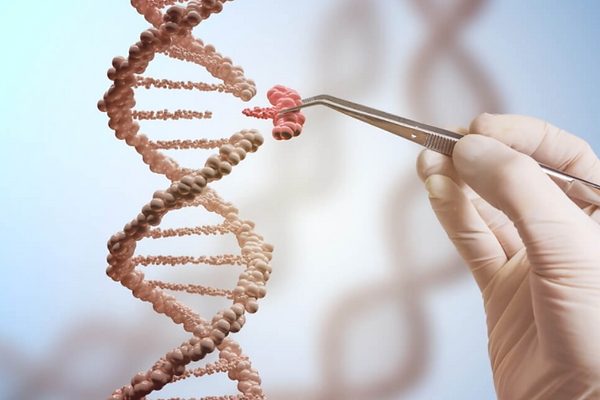
In DNA, the molecular essence of shaping our very existence, lies the power to completely transform our world. CRISPR, which is short for clustered regularly interspaced short palindromic repeats, is a revolutionary piece of technology used to selectively modify DNA. In the medical field today, CRISPR has been used to create genetically modified cell models of multiple human diseases. In the near future, scientists predict that CRISPR will not only be used to produce numerous approved medical treatments but also to modify crops which make them more resistant to climate change and disease. For instance, using CRISPR to genetically edit trees to cut the energy footprint of the paper industry.
Genetic engineering is the manipulation of an organism’s genetic material in order to modify its characteristics. This allows scientists to alter genes in an organism, adding and removing traits. The significance of genetic engineering ranges from medical advancements, agricultural and environmental applications and more. The process of genetic engineering involves using techniques such as CRISPR to make targeted changes to DNA sequences. The CRISPR method was first uncovered in 2012 and is already vastly used for scientific research. This technology has the potential to completely transform medicine, allowing us to treat and prevent many diseases.
The CRISPR/Cas9 technology has been used to treat diseases such as obesity, alzheimers and other genetic disorders such as cystic fibrosis. It also has a profound impact in cancer research, its genome alterations have uncovered cancer-specific gene mutations and has helped scientists’ understanding of cancer biology and the phases of cancer drug development. But with this power comes ethical considerations around the use of this technology. CRISPR-Cas9 is a transformational gene-editing tool which was derived from a genome editing system that was naturally occuring which bacteria use as a defense mechanism. A major concern with this is the potential for off-target effects as its precision isn’t absolute, meaning that there’s a risk of unintended consequences and edits that are similar but not identical to the intended sequence. Guidelines, regulations, worldwide debate as well as awareness are highly required to ensure the responsible use of CRISPR technology.
CRISPR is recognized as a significant piece of technology that has helped with advancements not only within medicine but also in regards to other fields such as agriculture. With its benefits being far-reaching, scientists expect many more significant scientific breakthroughs with the help of this tool in years to come, the size of the global genome editing market predicted to increase from 2.4 billion U.S. dollars in 2023 to 30 billion U.S. dollars by the year 2033.
Works Cited
Xu, Y. and Li, Z. (2020). CRISPR-Cas systems: Overview, innovations and applications in human disease research and gene therapy. Computational and Structural Biotechnology Journal, [online] 18, pp.2401–2415. doi:https://doi.org/10.1016/j.csbj.2020.08.031.
Shinwari, Z.K., Tanveer, F. and Khalil, A.T. (2018). Ethical Issues Regarding CRISPR Mediated Genome Editing. Current Issues in Molecular Biology, [online] 26(1), pp.103–110. doi:https://doi.org/10.21775/cimb.026.103.
Statista. (n.d.). CRISPR gene editing market size global 2031 forecast. [online] Available at: https://www.statista.com/statistics/950816/crispr-genome-editing-market-size-globally/.